

MenuMENU
SearchSEARCH

Carmakers Also Give U.S. Flack Over EV Tax Credit

Ford, Toyota join some countries in urging looser EV battery sourcing qualifications.

November 7, 2022
Carmakers Also Give U.S. Flack Over EV Tax Credit

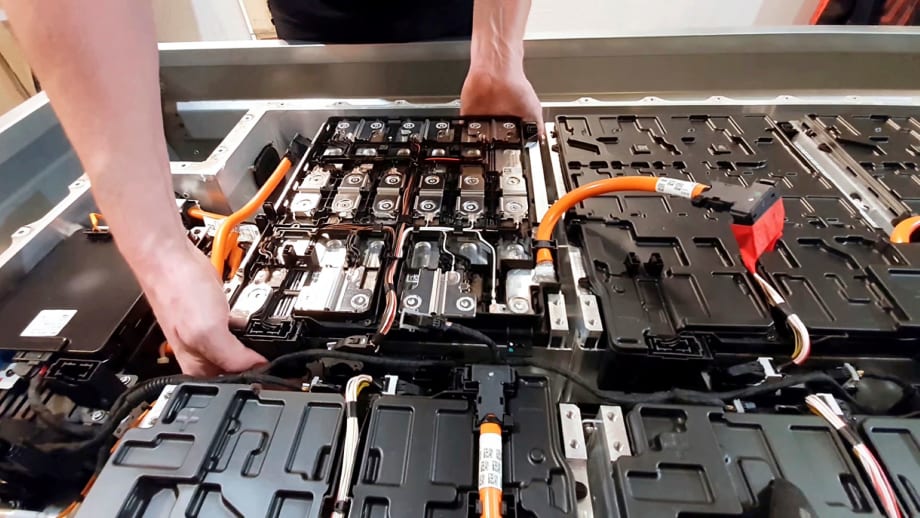
Tax credit qualification requirements limit it to vehicles whose batteries are made with materials mined, processed or recycled in the U.S. or in any of its trade partners.

Credit:

IMAGE: Getty Images/Aranga87

2 min to read


In addition to flack from some foreign governments, the U.S. is now getting pushback from carmakers on its parameters to qualify for its new electric vehicle tax credit.

The U.S. government has gotten entreaties from the European Union and South Korea about qualification requirements that limit the credit to vehicles whose batteries are made with materials mined, processed or recycled in the U.S. or in any of its trade partners. The credit can total as much as $7,500, and carmakers are eager to see their products qualify for it.

The law authorizing the credit, though, excludes battery components that originate in China, Russia or other “foreign entities of concern.” One major motivation behind the exclusion is to help wean the U.S. from Asia-based suppliers, particularly China.

Now some carmakers are joining the chorus of those imploring the U.S. to step back from the restrictions around the tax credit. Ford and Toyota want the terms to be loosened, but some of the brands’ own raw-materials suppliers support the restrictions, Bloomberg reported.

Ford asked the government to exempt domestic suppliers from the foreign-entity qualification and to open up the credit to cars with batteries made by companies outside the U.S. if half or less of their ownerships don’t translate as “foreign entities of concern.”

Toyota asked that Japan be specifically mentioned in the tax credit law as a qualified source.

The Alliance for Automotive Innovation asked that the Internal Revenue Service consider the complexity of the overall vehicle battery supply chain as it works to finalize the law.

The tax credit’s battery-sourcing restrictions are scheduled to take effect in 2024.

READ MORE: Biden Willing to Continue EV Talks With South Korea

More Dealer Ops

Dealer Opsby Hannah MitchellAugust 26, 2025

Franchises, Throughput Down in First Half

A handful of states see franchise growth through June, while EV sales per store boost overall business in U.S.

Read More →
Dealer Opsby Hannah MitchellAugust 19, 2025

Buy-Sells Up in Q2

Kerrigan metrics show there’s plenty of demand, though many sellers are waiting to pull the trigger.

Read More →
F&Iby StaffApril 2, 2025

DOWC Powers the Future of F&I for NESNA

Company is providing a fully integrated F&I administration model to Nissan Extended Services North America’s dealer network.

Read More →
Ad Loading...
Industryby StaffMarch 26, 2025

March New-Vehicle Sales Healthy

Despite incentive spending not keeping pace with deliveries volume, consumers make their purchases ahead of tariffs impact.

Read More →
Product & Technologyby StaffMarch 13, 2025

New DOWC Program Debuts

Hybrid solution combines benefits of reinsurance and dealer-owned warranty companies.

Read More →
Trainingby StaffJanuary 13, 2025

Dealer Survey Finds Anxieties

Kerrigan Advisors poll shows percentage of retailers expecting lower profits, valuations is on the rise.

Read More →
Ad Loading...
Industryby StaffDecember 23, 2024

Calif. Dealer Group Challenges Scout Direct Sales

Says VW unit’s plans to sell directly to consumers violate state law.

Read More →
IndustryNovember 27, 2024

Six Powerful Questions

Take the time to answer these and lay the groundwork for a successful year-end.

Read More →
Dealer OpsOctober 14, 2024

Autumn Analysis

Consider taking the change of the seasons as a cue to evaluate some key operational aspects of the dealership.

Read More →
Ad Loading...
Dealer OpsAugust 20, 2024

Maximizing Revenue Potential

The strategic imperative for auto dealers is to prioritize F&I product sales and wealth-building in challenging times.

Read More →