A good friend, also in the auto industry, recently purchased a new electric vehicle from a well-known European brand. As someone familiar with dealerships, he was curious to see what the F&I department would pitch him. But what it did pitch surprised him.
The F&I manager began with the usual captive and noncaptive loan options, monthly payments, and paint protection. Then unexpectedly, he started offering oil changes and maintenance for belts, hoses and engine components. My friend politely interrupted: “But this is an EV.” The F&I manager turned red and quickly set the packets aside.
Kick This Tire
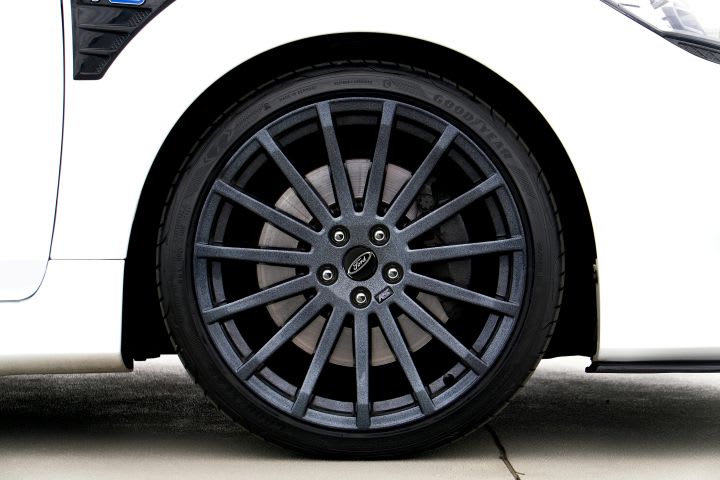
Even more surprising, there was no mention of tires. We all know EVs go through tires at nearly twice the rate of ICE vehicles. Despite this, tire packages are still an afterthought in many F&I presentations. Dealerships lose over $90 billion in tire-related revenue to after-market shops each year. And that figure will only grow as EV adoption rises—already up 15% year-over-year to 8.1% of U.S. vehicle sales, according to Edmunds.
Dealerships have long done a solid job selling maintenance packages for ICE vehicles in the F&I office, helping retain customers throughout the warranty period. However, TraXtion research shows that during the typical 36-month/36,000-mile warranty, customers spend just $83 per year in the service department. After the warranty ends, they often shift to independent shops, where annual spend can increase to $200—and up to $500 per year by 120,000 miles. That’s over $2,000 in lost service revenue per customer. Now consider that EV tires wear out roughly every 15,000 to 20,000 miles, adding $1,200–$2,000 in tire costs every two years—revenue that should stay with the dealership.
Product Categories
As EV sales rise, dealers must rethink F&I. Tire warranties and service packages aren’t optional—they’re essential. EVs don’t need oil changes, belts or spark plugs, so tires become the primary ongoing maintenance item. And once that wheel comes off, it opens the door to brake inspections, alignments and other profitable services. Tires are the gateway to ongoing service retention.
What we learned from my friend’s experience is clear: Integrating tire-focused products into the F&I process isn’t just smart—it’s necessary. With traditional maintenance off the table, tires present a meaningful opportunity to replace that lost revenue stream and keep EV customers loyal. Especially now, with global tariff uncertainty shaking the auto industry, service retention has never been more important.
Tires are the new oil change, and the F&I office is where that conversation should begin.
Brad Kokesh is the Chief Operations and Revenue Officer at TraXtion, formerly Tire Profiles, where he helps dealers capture more than $90 billion in lost tire revenue. He has more than 25 years of experience in automotive at some of the industry's leading brands, including leadership roles for several dealerships in the Midwest.
EDITOR’S NOTE: This article was authored and edited according to F&I and Showroom editorial standards and style. Opinions expressed may not reflect that of the publication.