For the past number of decades, attorneys general actions and other civil legal actions numbering in the thousands have been brought against dealers. However, there have been a paucity of examples of dealer employees being prosecuted, either criminally or civilly. I prosecuted a case in the 1990s in which the dealer settled for almost $2 million, and the finance manager was incarcerated. Twenty years ago, a large Southern California dealer was prosecuted by the Los Angeles District Attorney’s office for $2.4 million, and various dealer personnel went to jail. However, these are the exceptions. Almost all other cases against dealers are settled without dealer personnel being separated apart and being charged as defendants. That has changed. Dealers are now being sued, along with general manager and other dealer employees. In legal procedure, it’s called joint and several liability. It is a growing phenomenon, so everyone at the store, including salespeople and finance managers, should be warned.
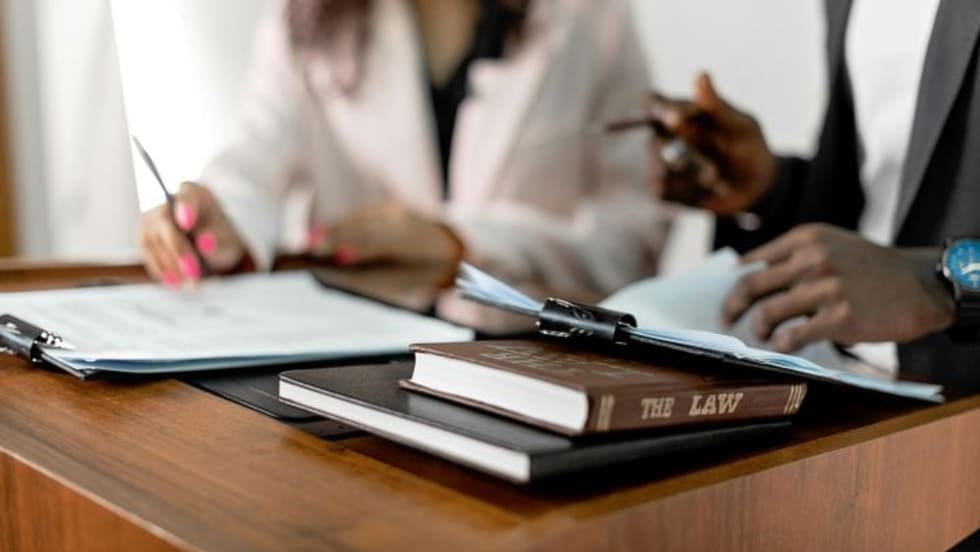
The Law is Long, and Life is Short
This is a complex issue for a short article, but a rudimentary description is needed to explain “joint and several liability” and the corporate structure.
It varies by state, but the broadest textbook definition of joint and several liability is that defendants are fully liable for the entire judgment, regardless of their percentage of fault. Moreover, a defendant bears the risk of insolvent co-defendants. In other words, a dealer employee could be forced to pay enormous sums of money for illegal acts of his or her employer, the dealership.
A Précis of Corporate Law and Piercing the Corporate Veil
Many dealerships are corporations that provide a form of cover for their officers, directors and salespeople from lawsuits. Government agencies and plaintiffs sue the corporation, not the people. To sue people working for the corporation, plaintiffs must “pierce the corporate veil,” meaning that people working for the corporation are charged as defendants. There are various ways this can occur, such as a breach of a fiduciary duty, statutory liability, or illegal or tortious acts, which all may lead to individual liability.
An FTC Comment
A statement by the Federal Trade Commission summarizes this growing sentiment, as directed against a Virginia/Maryland dealer group:
“Naming individuals in this matter [as defendants along with the dealership] is justified by the allegations in the complaint …”
This statement could be made by any government agency.
Illustrative Cases
In addition to the case in Viriginia/Maryland, there have been cases in New York, Arizona, New Mexico, Wisconsin and California in which these causes of action have been advanced for over $41 million in total. Once again, employees of these dealerships had to participate in paying these enormous sums of money.
‘No Harm, No Foul’ and Other Remedies
With government agencies and private plaintiffs identifying a whole new class of dealer-employee defendants (that means you if you work at a car dealership), those same potential defendants need to take precautions. It’s important to be aware that innocent employees can be aggregated with the malefactors in these lawsuits. The innocent parties may be able to elude liability by being dismissed from the case, but that would still mean that they would have to pay expensive legal fees. Consequently, honest employees should encourage their dealerships to obey the law. If there is illicit behavior, honest employees should seek to cure that behavior or find other jobs. Secondly, honest dealer employees may wish to identify insurance coverage for personal protection, such as a personal liability policy. Insurance coverage, such as Errors and Omissions (E&O), Directors and Officers (D&O), umbrella, or addenda policies, may be possibilities. They may also wish to ask management about the dealership’s insurance coverage.
It's a brave new world of risk and compliance for dealership employees.
Terry O’Loughlin is director of compliance for Reynolds and Reynolds and is admitted to the Pennsylvania and Florida bars. Before joining Reynolds, he was employed by the Florida Office of the Attorney General, where he investigated automobile dealers and financing sources. He previously was a public accountant.