The U.S. Senate passed a $1 trillion infrastructure bill on a bipartisan 69-30 vote. The vote came after months of negotiations and debate.
“It’s been a long and winding road, but we have persisted and now we have arrived,” said Sen. Charles E. Schumer before the vote. He added the bill will “strengthen every major category of our country’s physical infrastructure.”
The bill still must secure approval by the House, which is recessed until Sept. 20.
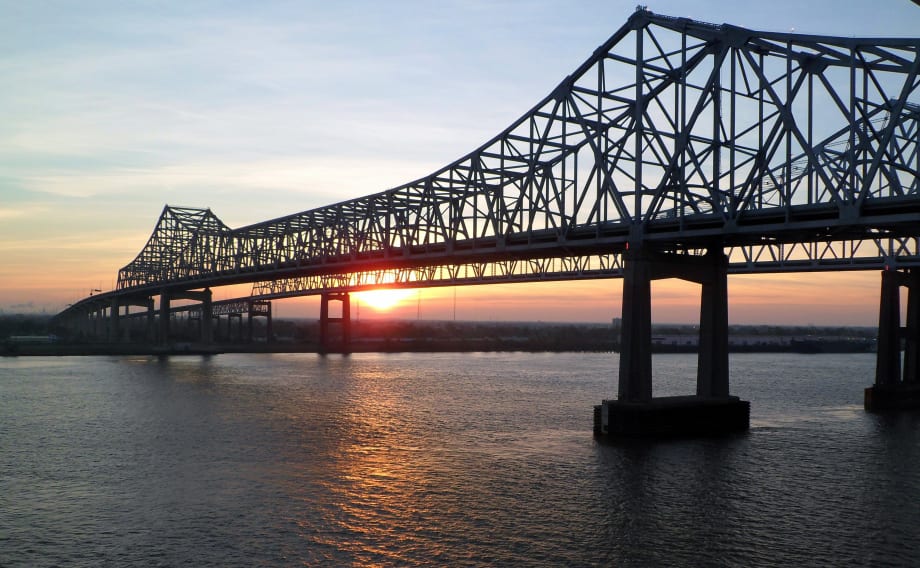
Currently, the legislation includes about $110 billion in new spending for roads and bridges, $73 billion for power grid upgrades, $66 billion for rail and Amtrak, and $65 billion for broadband expansion. It also provides $55 billion for clean water and $39 billion for transit.
The Alliance for Automotive Innovation, a trade association that represents most major automakers in the U.S., reported the bill’s $7.5 billion allocation for EV charging will jumpstart public investment in a nationwide charging network.
Many Alliance members are striving to meet the Biden Administration’s push for zero-emission vehicles to make up half of all new passenger vehicles sold by 2030. The Alliance reports that by 2025 the auto industry will have invested $330 billion in EVs, including plug-in hybrids, battery-electrics and fuel cells.
“We are working with Congress to craft the additional complementary policies necessary to further boost investment in the domestic EV supply chain and incentives that encourage consumer adoption of EVs,” Alliance CEO John Bozzella said. “Realizing these necessary conditions for a successful EV market will be critical to boosting EV sales from just over 2 percent of vehicle sales now to achieve a goal of 40 to 50 percent EV penetration by the end of the decade.”
The legislation includes deadlines for the U.S. Department of Transportation to issue rules on automatic shutoff for keyless ignition systems, updated headlamp standards and a requirement for manufacturers to equip new vehicles with drunken and impaired driving prevention systems.
It also calls for minimum performance standards for crash-avoidance technology and requires manufacturers to equip all vehicles sold in the U.S. with forward-collision warning and automatic emergency braking systems as well as lane-departure warning and lane-keeping assist systems. There’s no compliance date for these measures, however.
The legislation faces an uphill battle in the House, where House Speaker Nancy Pelosi has promised she will not allow a vote for the infrastructure bill until the Senate has passed its economic package. The House also may seek changes to the infrastructure package.
The legislation’s big spending reportedly will not impact taxes, including gas taxes or other levies directed at the middle class.
Some attempts to alter the bill failed. For example, the Senate did not get unanimous consent to replace a cryptocurrency tax reporting provision with a measure that required certain digital currency exchanges to report data to the Internal Revenue Service. The cryptocurrency industry suggested the original version unfairly targeted them and was too broad in scope. An amendment that would allow state and local governments to use unspent COVID relief funds on infrastructure projects also failed.
The Congressional Budget Office (CB0) reported the infrastructure legislation will add $256 billion to the federal budget deficit over the next decade. The CBO forecasted earlier this year that the deficit will hit $3 trillion in 2021 before narrowing to $1.15 trillion in 2022.
Nay-sayers say the legislation will lead to increased inflation, while the Senators who voted for the legislation contend a variety of means will pay for the bill; efforts they say CBO couldn’t account for.
“The new spending under the bill is offset through a combination of new revenue and savings, some of which is reflected in the formal CBO score and some of which is reflected in other savings and additional revenue identified in estimates, as CBO is limited in what it can include in its formal score,” Republican Rob Portman of Ohio and Democrat Kyrsten Sinema of Arizona said in a joint statement.