



ATLANTA — According to data from the Q3 2018 Cox Automotive Dealer Sentiment Index, U.S. automobile dealers are more positive than negative in describing the current market in the third quarter but are fearful that proposed auto tariffs could hurt profitability. The results are based on a poll of 1,276 dealer respondents conducted from July 31 to August 18. Only 11% of dealers believe auto tariffs on imported vehicles and parts would have a positive impact on their business, while 38% anticipate a negative impact. Fifty-one percent of dealers believe tariffs would have no impact. Franchised auto dealers are more pessimistic, with 56% suggesting new auto tariffs would impact their business negatively. Of the franchised dealers who feel negatively toward tariffs, 66% believe consumers will face higher prices on all new vehicles, not solely imports, as the market adjusts. “Dealers continue to report strong market conditions in the third quarter, with few material changes in key performance indicators from the spring, when we reported record-high sentiment,” said Cox Automotive Chief Economist Jonathan Smoke. “While they are positive on today’s business, the new looming threat is the negative impact of proposed tariffs on imported autos and parts. And, for the first time, dealers indicate that limited inventory is the No. 1 obstacle holding back business.” Derived from a survey Cox Automotive issues to a representative sample of franchised and independent auto dealers, the CADSI measures U.S. dealer perceptions of current retail auto sales and sales expectations for the next three months as “strong,” “average,” or “weak.” The quarterly survey also asks dealers to rate new-car sales and used-car sales separately, with a variety of key drivers including consumer traffic and inventory levels. Responses are used to calculate an index where any number over 50 indicates that more dealers view conditions as strong rather than weak. In the Q3 2018 survey, Cox Automotive also explored dealer expectations on the impact of proposed auto import tariffs on business profitability.
More Industry
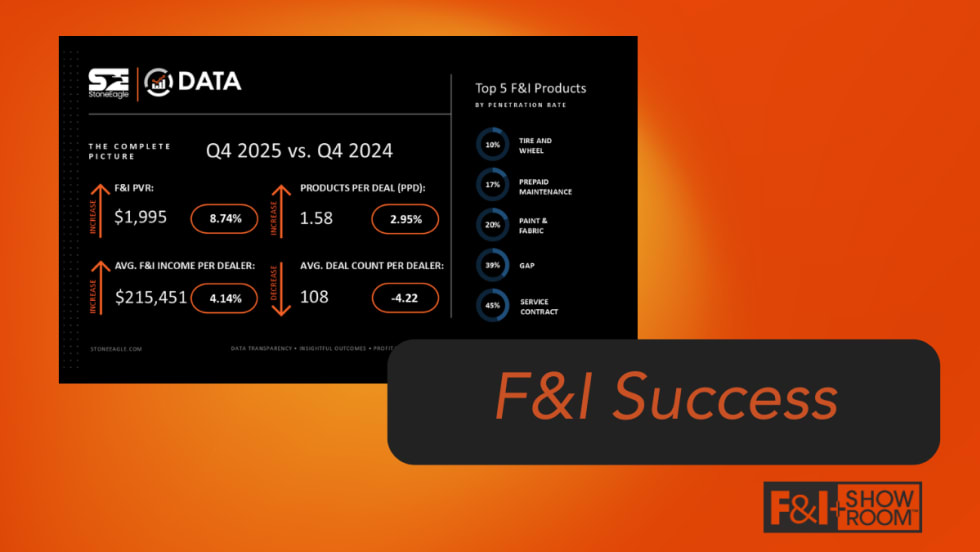
Report Finds Year-End F&I Strength
Deal volume ebbed and flowed throughout 2025, but product performance remained steady, according to automotive technology and data intelligence solutions provider StoneEagle.
Read More →
China Leads Battery Production
Between 2020 and 2025, gigafactory capacity grew six-fold and is set to grow another 118% by 2030, according Benchmark data.
Read More →
Overall Consumer Confidence Up
Americans’ view of present business conditions, the labor market and family finances, though, are still in the dumps, and if they plan to buy cars, many target used units.
Read More →
Auto Loan Forecast Bucks Market Trend
Auto loan originations rose over 6% year-over-year in the third quarter of 2025, but TransUnion predicts a slight decline in auto loan growth this year, making it an outlier in the company's overall lending forecast.
Read More →
Some Auto Brands Cheaper to Insure
A new top 10 list ranks the least expensive for average full insurance coverage on a clean driving record and high driver credit scores.
Read More →
Learn to Manage the Mayhem at Agent Summit
Rob Mancuso – president of Mancuso Automotive – will present a Keynote at the 2026 event.
Read More →
Affordability Leads Top-Rated List
Edmunds’ editorial team tested 300-plus vehicles to help determine the Top Rated Awards for 2026, and one brand stood out with multiple rankings, including Best of the Best.
Read More →
Auto Sales Still Sluggish
February forecast has new-vehicle deliveries still off from last year at this time amid high prices and vanished EV incentives. But J.D. Power sees business picking up from here as automakers target growth.
Read More →
EVs Bring Most Satisfaction to Date
Study finds that adopters are true believers and that their satisfaction with the vehicles is growing, including for public charger experience, despite pullback of federal incentives.
Read More →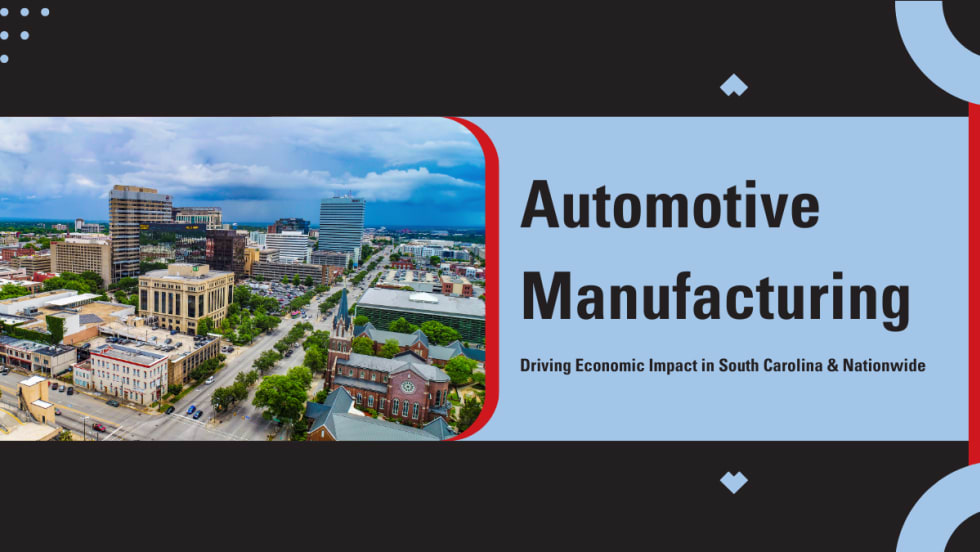
Auto Manufacturing Drives Economic Growth
The sector generates over $64 billion in annual economic impact in South Carolina, making it the largest and fastest-growing manufacturing subsector in the state.
Read More →