
Demand for purely electric vehicles appears to be steady despite new and lingering challenges to adoption.
The fifth annual J.D. Power survey found stable interest among consumers in the market to buy or lease a new ride in the next 12 months.

 MENU
MENU SEARCH
Consumer interest hasn’t waned despite growing obstacles.
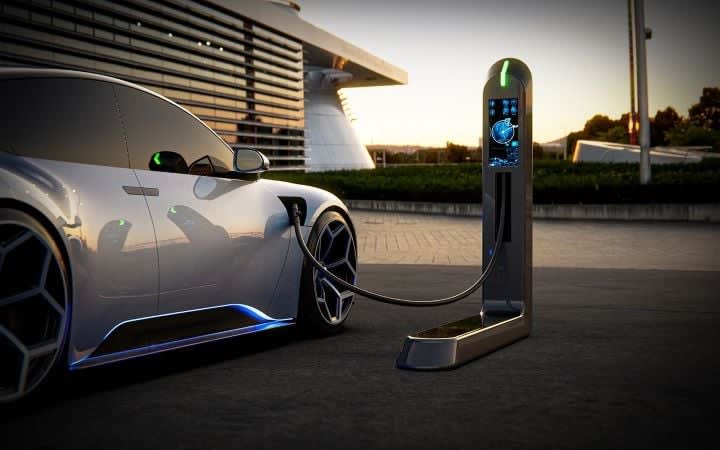
Concerns about inadequate public chargers continue to impede EV adoption, the research found.
Pixabay/LeeRosario
Demand for purely electric vehicles appears to be steady despite new and lingering challenges to adoption.
The fifth annual J.D. Power survey found stable interest among consumers in the market to buy or lease a new ride in the next 12 months.
Though the Republican-dominated federal government is targeting Biden-era electric-vehicle purchase incentives and infrastructure and manufacturing development, interest in EVs has stayed the same as a year ago, with 24% of consumers very likely to consider electric.
J.D. Power advises the auto industry to do more to tap the interest.
“… the industry needs to have products that meet consumer needs and wants at prices that are affordable,” said executive director of its EV practice, Brent Gruber. “Additionally, the industry should better educate consumers about EV ownership to ease concerns—many of which, such as those related to public charging, are less problematic than they might seem when it comes to actually owning an EV.”
Another 35% of survey respondents said they’re somewhat likely to buy an EV, also the same as last year.
The enduring adoption obstacle continued to be public charger availability, while purchase price and ownership cost concerns diminished slightly, the survey found.
Still, EV prices negatively affect adoption. Those most open to buying EVs, consumers 25 to 49, are least likely to be able to afford to, the survey found. Just 17% in that age range have annual incomes exceeding six figures. But the industry has made headway in meeting that demand.
“Much of the recent growth in the EV space has been fueled by products from mass market brands, which demonstrates the pent-up demand for more affordable products,” Gruber said.
In general, consumers who consider EVs tend to shop around. Those very likely to buy one kick an average of three brands’ EV tires, about the same as those somewhat likely to buy electric, J.D. Power said.
“As more EV options come to market, this should serve as an encouraging sign for automakers because it’s an opportunity for them to gain a foothold and pull shoppers from outside their brands,” Gruber said. “This year’s study results also show that EV shoppers consider products from mass market and premium brands alike, highlighting the opportunity to capture consumer interest with brands or products that shoppers may not have otherwise considered.”
The survey drew more than 8,100 responses from January through April.
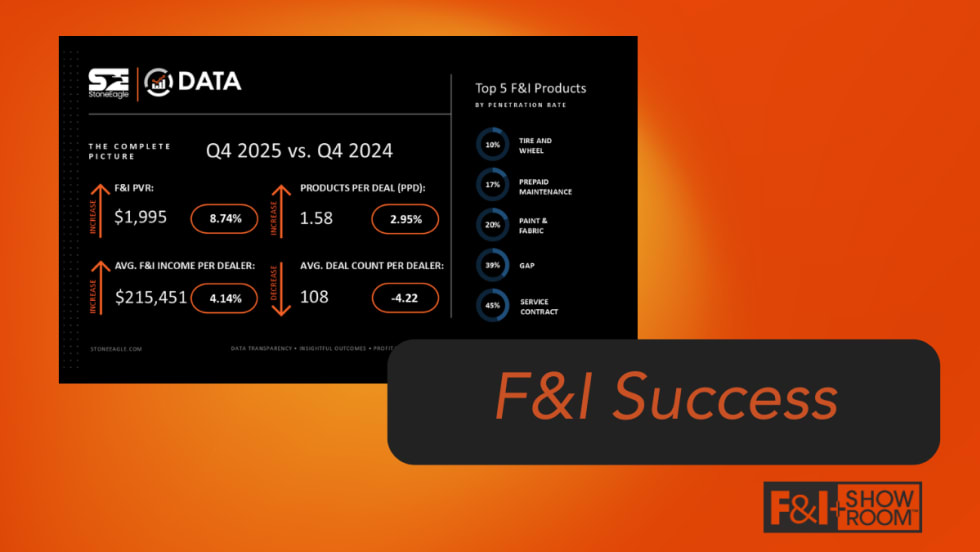
Deal volume ebbed and flowed throughout 2025, but product performance remained steady, according to automotive technology and data intelligence solutions provider StoneEagle.
Read More →
Between 2020 and 2025, gigafactory capacity grew six-fold and is set to grow another 118% by 2030, according Benchmark data.
Read More →
Americans’ view of present business conditions, the labor market and family finances, though, are still in the dumps, and if they plan to buy cars, many target used units.
Read More →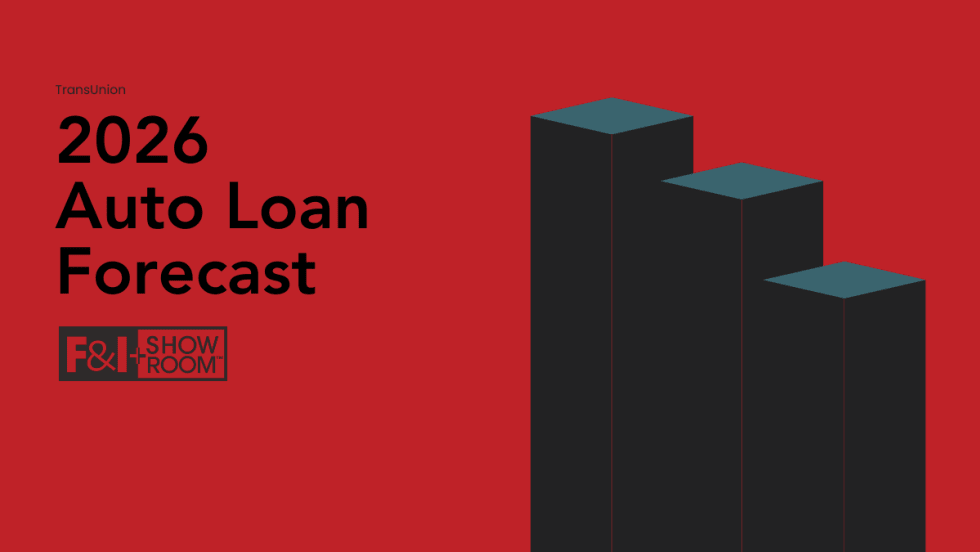
Auto loan originations rose over 6% year-over-year in the third quarter of 2025, but TransUnion predicts a slight decline in auto loan growth this year, making it an outlier in the company's overall lending forecast.
Read More →
A new top 10 list ranks the least expensive for average full insurance coverage on a clean driving record and high driver credit scores.
Read More →
Rob Mancuso – president of Mancuso Automotive – will present a Keynote at the 2026 event.
Read More →
Edmunds’ editorial team tested 300-plus vehicles to help determine the Top Rated Awards for 2026, and one brand stood out with multiple rankings, including Best of the Best.
Read More →
February forecast has new-vehicle deliveries still off from last year at this time amid high prices and vanished EV incentives. But J.D. Power sees business picking up from here as automakers target growth.
Read More →
Study finds that adopters are true believers and that their satisfaction with the vehicles is growing, including for public charger experience, despite pullback of federal incentives.
Read More →
The sector generates over $64 billion in annual economic impact in South Carolina, making it the largest and fastest-growing manufacturing subsector in the state.
Read More →