
Mexico expects the United States to comply with automotive rules in the new North American trade pact, a senior official said.
The statement clouds the high-level talks between the two countries taking place next week.

 MENU
MENU SEARCH
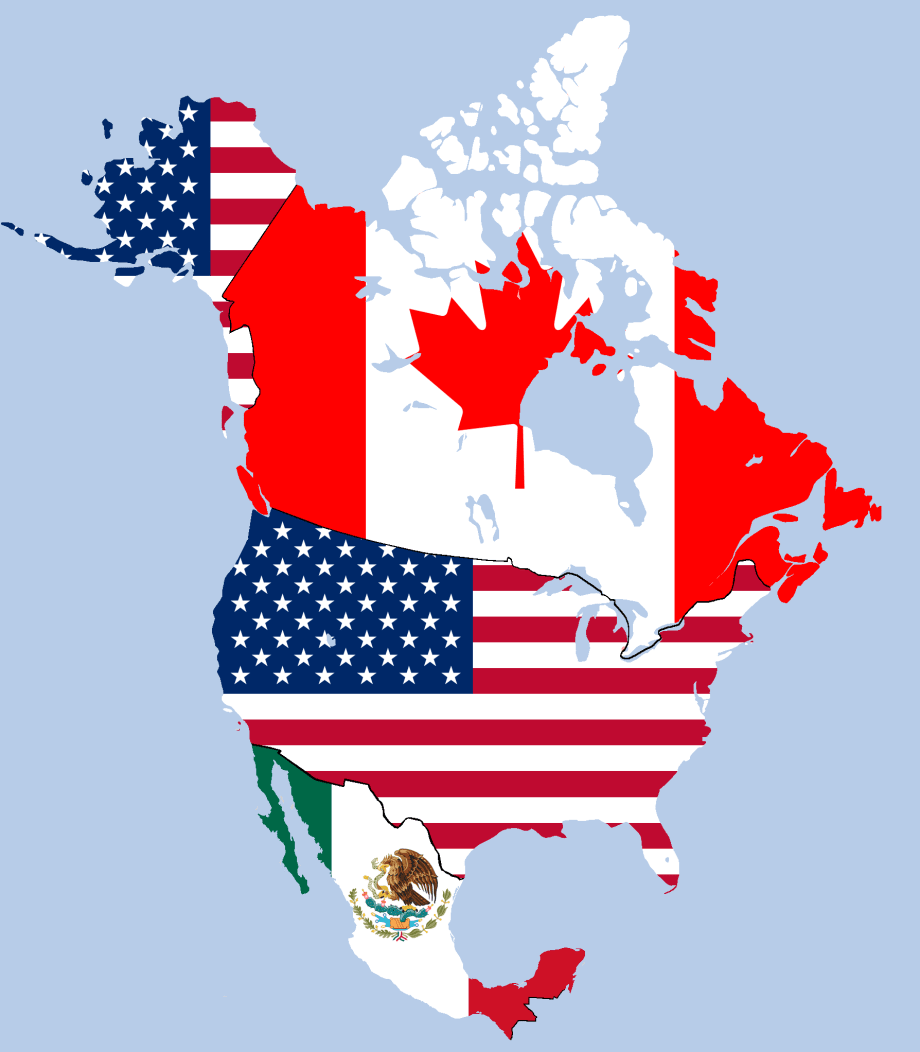
The countries are at odds over a USMCA requirement that auto manufacturers to meet a 75% threshold for North American content for vehicles to qualify for tariff-free trade within the region.
Wikipedia
Mexico expects the United States to comply with automotive rules in the new North American trade pact, a senior official said.
The statement clouds the high-level talks between the two countries taking place next week.
Mexico and Canada have been at odds for months with the United States over how to apply regional content requirements for the auto industry. The requirements are a cornerstone of the 2020 United States-Mexico-Canada Agreement (USMCA) trade pact.
The countries favor a flexible interpretation of the rules over the firmer one taken by U.S. officials.
When Reuters asked Deputy Economy Minister Luz Maria de la Mora whether the countries could use a new method to avoid taking the dispute to an international tribunal, he said:
“No, because we’re not renegotiating (USMCA). It’s about honoring what was agreed in the treaty."
She noted that the agreement text made its scope very clear. She noted differences between how the United States and Mexico interpreted the issue began while the Trump Administration remained in office.
USMCA, which replaced the 1994 North American Free Trade Agreement (NAFTA), requires auto manufacturers to meet a 75% threshold for North American content for vehicles to qualify for tariff-free trade within the region. Under NAFTA, the content threshold stood at 62.5%.
U.S. and Mexican diplomats will restart high-level economic dialogue on Sept. 16.
Mexican Economy Minister Tatiana Clouthier will take part in the talks.
Making rules tougher than what USMCA requires risked backfiring on the industry, reducing competitiveness, raising costs and making the region “less attractive for investment and production,” de la Mora said.
Disputes over content requirements fan uncertainty and could benefit suppliers from other parts of the world with laxer rules like South Korea, she said.
Mexico’s President Andres Manuel Lopez Obrador predicted the dispute will not end up before an international tribunal, and expressed optimism that the countries could reach an agreement soon.

A handful of states see franchise growth through June, while EV sales per store boost overall business in U.S.
Read More →
Kerrigan metrics show there’s plenty of demand, though many sellers are waiting to pull the trigger.
Read More →
Company is providing a fully integrated F&I administration model to Nissan Extended Services North America’s dealer network.
Read More →
Despite incentive spending not keeping pace with deliveries volume, consumers make their purchases ahead of tariffs impact.
Read More →
Hybrid solution combines benefits of reinsurance and dealer-owned warranty companies.
Read More →
Kerrigan Advisors poll shows percentage of retailers expecting lower profits, valuations is on the rise.
Read More →
Says VW unit’s plans to sell directly to consumers violate state law.
Read More →
Take the time to answer these and lay the groundwork for a successful year-end.
Read More →
Consider taking the change of the seasons as a cue to evaluate some key operational aspects of the dealership.
Read More →
The strategic imperative for auto dealers is to prioritize F&I product sales and wealth-building in challenging times.
Read More →