Battery technology is in a period of rapid advancement as the world moves toward cleaner energy and electric vehicles (EVs). EV battery startups are jockeying for position as companies invest billions in the industry.
Now it appears China is making the next big play. A Bloomberg opinion piece titled, “The Next Best Electric Car Battery Is Here, Cheaper Than Ever,” reports China has moved to the sodium-ion batteries, and says “Done right, this technology could lead to widespread adoption in a market dependent on subsidies and where EV sales are still a fraction of all cars.”
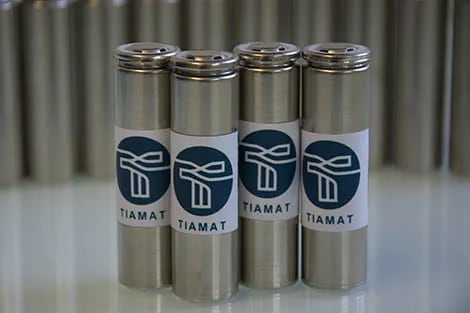
Contemporary Amperex Technology Co., or CATL, of China is the world’s largest battery manufacturer. The company unveiled its latest innovation in July — a sodium-ion battery. In August, China’s Ministry of Industry and Information Technology reported plans to drive the “development, standardization and commercialization of this type of power-pack, providing a cheaper, faster-charging and safe alternative to the current crop on offer, which continue to be plagued by a host of problems, not least, faulty units catching fire,” Bloomberg reported.
Scientists have researched sodium-ion batteries as far back as the 1970s. But lithium-ion batteries came on the scene and overshadowed their development. As lithium-ion use exploded, it pushed the development of sodium-ion batteries to the background.
Since then, the challenges of lithium-ion batteries have been well documented. Their inflated costs pose an ever-present obstacle. The industry also must clear availability and safety hurdles. Scientists are on a constant quest for stable chemistry (so that the batteries do not combust), and greater energy density.
In contrast, the materials for sodium-based batteries are readily available as the earth’s reserves of sodium are dispersed at a content level of around 2.5% to 3%. That figure is 300 times more than lithium, report Jefferies Group LLC analysts.
With plentiful materials that are widely distributed, Bloomberg writes that “the power packs could cost almost 30% to 50% less than the cheapest electric car battery options currently available. In addition, the price of sodium is less sensitive to market gyrations compared with lithium, increasingly a sentiment gauge for the world’s green ambitions.”
Sodium-ion batteries have a lower energy density, but they operate better at cooler temperatures and have longer life spans. CATL’s sodium-ion offering will have an energy density of 160 Watt-hour per kilogram and will take 15 minutes to reach 80% of its charge. “That’s on par with batteries currently on the market, ranging from 140 Wh/kg to 180 and 240 in the highest end type (that has proven to be combustible at times),” reports the Bloomberg article.
But sodium-ion batteries will need a new supply chain, one that differs from supply chain of lithium-ion batteries. But with lower material costs, manufacturers can reduce production expenses. CATL predicts it will have an established supply chain for sodium-ion batteries by 2023.
Flooding the market with less expensive and safer battery technology will lower the prices of EVs, making them more accessible to price-conscious consumers and resource-constrained nations, such as India and South Africa, which lack the financial resources and raw materials to green vehicles. Bloomberg notes, “Options like the sodium-ion battery offer a clear path to go electric and make headway with their climate change goals.”