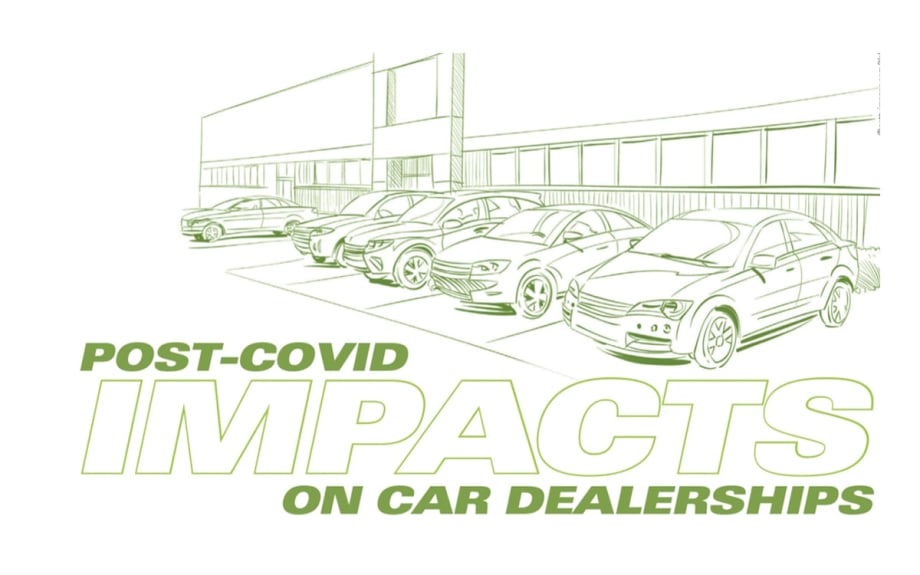
Stay-at-home orders resulting from COVID-19 have impacted industries across the board. Organizations have had to find new and innovative ways to continue on with their businesses. Retail and sales industries that typically conduct their work in person have had to pivot in new and challenging ways in order to stay afloat. Car dealerships are one of the businesses that thrive due to a 1:1 sales format, and while some of the buying process had transitioned online prior to the pandemic, the lasting effects of a fully remote car-buying process are still being navigated by business owners. The nature of the sales process for buying a car has drastically changed, and will continue to do so.
While the shift to digital purchasing came with unexpected speed and urgency, the automotive retail industry, previously one that conducted business largely in person, can now embrace digital transformation to handle any additional shifts an unpredictable market may send its way.
Remote Car Buying
Online resources have long been used to supplement research that car buyers use to inform their decisions prior to purchasing. Access to details that compare and contrast different brands, makes, and models can greatly streamline the job of the customer. While some dealerships have tailored their sales processes to meet the demands of modern consumers prior to the pandemic, the digital transformation of this process has escalated exponentially due to the prolonged lockdown. This rapidly evolving transition to the “new norm” will likely continue in the future as consumers become more comfortable with the conveniences of remote car shopping.
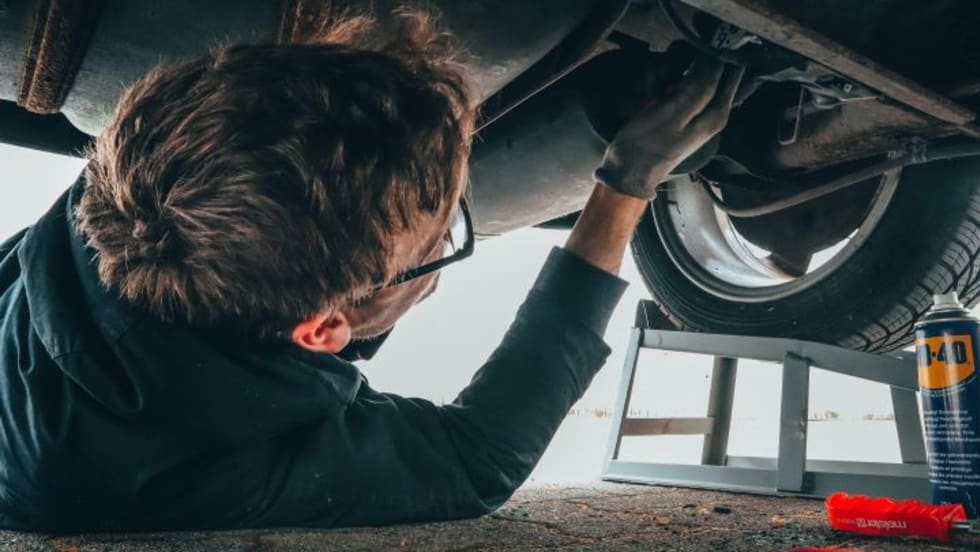
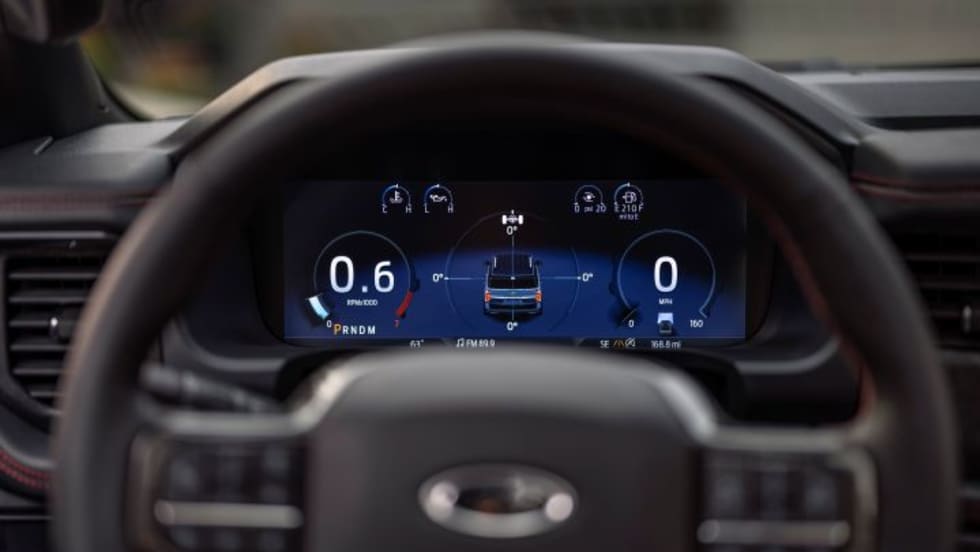
While much of the research and information gathering aspects of the car-buying process can be adequately transitioned online, there is no virtual supplement for getting a true feel for a vehicle during a physical test drive. As a result, some dealerships have had to restructure their test-driving process to cooperate with important social distancing guidelines, allowing buyers to take the vehicles out alone. As expected, there are elevated risks involved with this modification, including added concern that vehicles may be damaged or stolen, and a correlated increase in the theft via the use of fraud and fake identification. To combat these challenges, dealerships can develop stronger inventory and lot management by implementing vehicle tracking and diagnostics monitoring. The insights from these lot management tools will provide the visibility and security dealerships need to be confident in the transition to remote car buying. Increased visibility is crucial for test drives, pick-up and drop-off service, and monitoring car maintenance.
Online car shopping — while convenient for car buyers — presents an interesting dilemma for dealerships: How do you drive F&I profit when more and more customers are bypassing their visit to the F&I office? Without the typical heavy traffic in the physical showroom, dealerships may struggle to replicate the F&I profit that comes with an in-person store visit. Dealerships have had to get creative with their customer experiences in order to maintain this critical revenue stream, providing an advanced level of service in this new remote environment.
The Future of Car Buying
The impact of the pandemic will continue to weave through the way organizations do business for years to come. Many consumers are not going to feel comfortable or safe in public environments until a clear solution is in place, and while the timeline for that event remains foggy, dealerships need to be dedicated to protecting their customers and vehicles by adding support and security wherever possible. Hygiene safety is of the utmost importance now, and in the future, as it is unlikely that reopening procedures alone will quell the fears of customers. While looking into telematics technology that can secure their vehicles and improve lot management, dealerships should also look to partners who offer vehicle sanitization packages in addition to other protective services.
Many online car-buying procedures are likely to remain ingrained in the car-buying process in the future, so dealerships will need to find new ways to cultivate trust and customer loyalty. Dealers are now more frequently offering to pick up and drop off customers’ vehicles for them, providing an additional level of service. A complete sanitary wipe down of the car interior before and after a test drive promotes hygiene safety and maintains consumer confidence. Because face-to-face interactions will likely diminish over the long term because of COVID-19, dealerships must continue to build loyalty with their customers. By providing value-added services including concierge, maintenance, and other connected car services like new safety and hygiene features and driver assistance, dealers will build trust, maintain customer relationships, and drive repeat business.
Time for Transformation
This pandemic has caused decision-makers to innovate in previously unimaginable ways and has transformed the way business is done across industries. As car dealerships continue to tackle the difficulties of the pandemic, it is important to also acknowledge the ways in which this transformation has moved the needle forward. Dealerships will now be better equipped with stronger practices for hygiene safety, lot management and security, as well as providing more personalized test-driving processes by allowing drivers to take vehicles out alone. With sanitization practices in place, dealerships will not only be able to protect their customers, but also themselves, from any health concerns now and in the future. While the shift to digital/remote purchasing came with unexpected speed and urgency, the automotive retail industry, previously one that conducted business largely in person, can now embrace digital transformation to handle any additional shifts an unpredictable market may send its way.
Steven Manzi is vice president of Connected Car at LoJack.